I am text block. Click edit button to change this text. Lorem ipsum dolor sit amet, consectetur adipiscing elit. Ut elit tellus, luctus nec ullamcorper mattis, pulvinar dapibus leo.
Microneedling has become one of the most talked-about treatments in dermatology clinics across the world, and Pune is no exception. From improving acne scars to stimulating collagen, it promises smoother, firmer, and rejuvenated skin. But with its popularity, confusion has grown too. Patients often ask:
- Does it hurt?
- Can it make my skin worse?
- How many sessions do I really need?
At SkinMD & Hair Clinic, we frequently encounter questions and misconceptions about microneedling. Let’s clear the air and help you understand whether this treatment is right for you in 2026.
What is Microneedling?
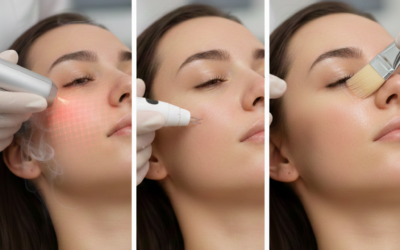
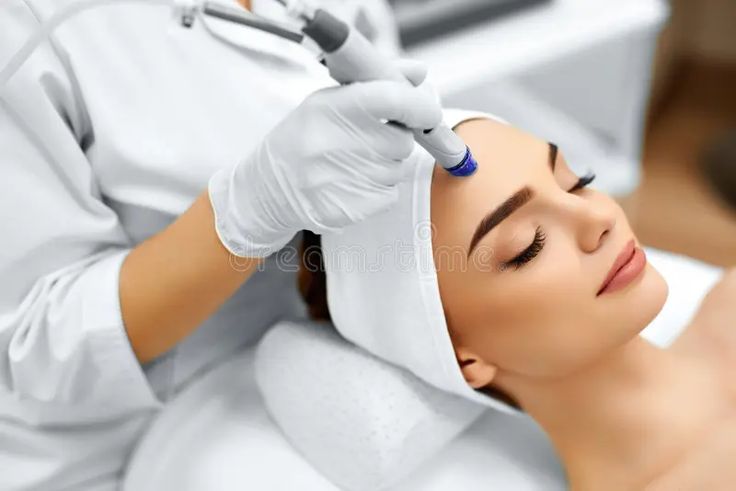
Microneedling, also called collagen induction therapy, uses very fine needles to create tiny, controlled micro-injuries in the skin. These small injuries activate your skin’s natural healing process, boosting collagen and elastin production. Over time, this improves skin texture, tone, and firmness.
Microneedling is minimally invasive and can address:
- Acne scars and pitted scars
- Fine lines and wrinkles
- Large pores
- Stretch marks
- Uneven skin tone and texture
Common Microneedling Myths And Facts
Myth 1: Microneedling is Extremely Painful
Fact: While some mild discomfort is normal, topical numbing creams make the procedure nearly painless. Most patients describe the feeling as a light tingling or prickling rather than sharp pain. Sensitive areas like the eyelids or lips can be treated gently for extra comfort.
Myth 2: Microneedling is Only for Women
Fact: Microneedling works for everyone. Men often seek it for acne scars, signs of aging, or even scalp treatments for hair growth. Treatments are always customized to individual skin concerns, not gender.
Myth 3: Microneedling Causes Permanent Damage
Fact: When performed by a trained dermatologist, microneedling is safe. The needles create superficial micro-injuries that stimulate healing rather than cause harm. The risks arise mainly from unprofessional or at-home treatments.
Myth 4: Results Are Instant
Fact: Some improvement may be noticeable after the first session, but optimal results usually appear after 4–6 sessions spaced 4–6 weeks apart. Collagen remodeling takes time, so patience is essential.
Myth 5: Microneedling is Only for Acne Scars
Fact: Its benefits extend beyond acne scars:
- Anti-aging: Reduces fine lines and wrinkles
- Texture improvement: Smooths rough patches and shrinks pores
- Hyperpigmentation: Lightens dark spots and uneven skin tone
- Hair growth: Stimulates hair follicles when combined with topical treatments
Myth 6: Home Microneedling Devices are Safe
Fact: At-home rollers cannot replicate professional results and carry a higher risk of infection, scarring, and incorrect needle depth. Dermatologist-led treatments ensure sterile conditions, precise technique, and safe aftercare.
Microneedling in 2026: Latest Advances
Modern microneedling has evolved to offer better results and comfort:
- PRP Microneedling: Uses platelet-rich plasma to accelerate healing and collagen production
- Serum Infusion Microneedling: Delivers hyaluronic acid, vitamin C, or peptides directly into the skin
- Automated Microneedling Devices: Provide consistent needle depth and faster procedures
These innovations make microneedling safer, more effective, and personalized.
Who Should Consider Microneedling?
Microneedling is ideal for individuals who:
- Have mild to moderate acne scars or uneven skin texture
- Want skin rejuvenation without invasive surgery
- Seek hair growth treatments combined with topical therapy
- Have generally healthy skin with no active infections
Who should avoid it:
- People with active acne, eczema, or infections in the treatment area
- Individuals prone to keloid scars
- Pregnant or breastfeeding women (consultation required)
A dermatology consultation ensures the procedure is safe and effective.
Preparing for Your Microneedling Session
Before treatment:
- Avoid retinoids, chemical peels, or harsh exfoliants for 3–5 days
- Stop blood-thinning medications if your doctor advises
- Keep your skin clean and well-hydrated
- Discuss your skin concerns and goals with your dermatologist
At SkinMD & Hair Clinic, we customize pre-treatment instructions to ensure safety and the best results.
Post-Microneedling Care
After microneedling, your skin may appear red or feel sensitive for 1–2 days. Proper aftercare includes:
- Using SPF 30+ sunscreen daily
- Applying gentle, fragrance-free moisturizers
- Avoiding makeup and harsh chemicals for 24–48 hours
- Staying hydrated to support healing
Following these steps helps reduce irritation and optimize results.
Conclusion: Should You Try Microneedling in 2026?
Microneedling is no longer just a cosmetic trend—it is a proven, dermatologist-approved treatment for acne scars, skin rejuvenation, and hair stimulation. When performed by professionals, it is safe, effective, and minimally invasive.
If you are considering microneedling in Pune in 2026, keep in mind:
- Seek professional guidance
- Understand that results take time
- Follow proper pre- and post-care instructions
- Avoid DIY treatments to prevent complications
At SkinMD & Hair Clinic, we design personalized microneedling plans to match your skin type, goals, and concerns. With the right approach, you can achieve smoother, healthier, and radiant skin safely.