In the ever-evolving world of dermatology, chemical peels remain a gold-standard treatment for rejuvenating the skin. Whether you’re struggling with acne scars, pigmentation, dullness, or fine lines, this procedure can reveal smoother, healthier skin underneath. But one size doesn’t fit all—especially when it comes to chemical peels for different skin types.
Let us discuss how dermatologists tailor peels to different skin types for safety as well as enhanced outcomes.
What is a Chemical Peel?
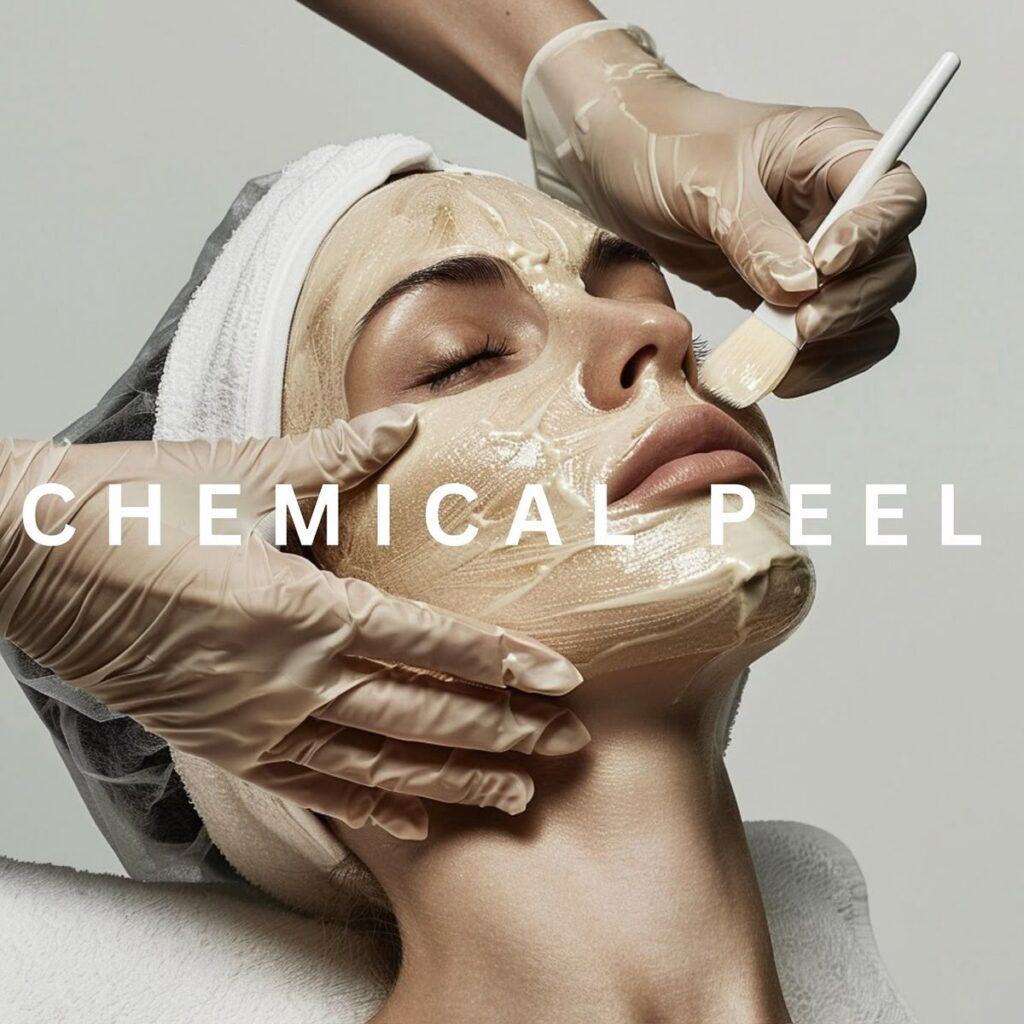
A chemical peel is a treatment, under the care of a dermatologist, involving the use of a specially designed chemical solution to remove the outer layers of the skin. This stimulates the growth of new, healthier skin. Peels are usually divided into three groups:
Superficial Peels – Employ alpha-hydroxy acids (AHAs) or beta-hydroxy acids (BHAs) for mild exfoliation.
Medium Peels – Tend to use trichloroacetic acid (TCA) to penetrate deeper layers of the skin.
Deep Peels – Employ more potent agents such as phenol for deep rejuvenation.
Selecting Chemical Peels by Skin Types
1. Oily & Acne-Prone Skin
Peel Type: Salicylic Acid Peels (BHA)
Salicylic acid is oil-soluble, thus it penetrates oily skin and exfoliates clogged pores. This peel decreases blackheads, whiteheads, and active acne as well as inhibits future breakouts.
Why It Works:
Salicylic acid is anti-inflammatory and dissolves dead skin and excess sebum—major causes of acne.
2. Dry & Sensitive Skin
Peel Type: Lactic Acid Peel (AHA)
Sensitive and soothing, lactic acid is a less harsh AHA that comes from milk. It peels the surface layer without draining natural oils, so it’s perfect for dry or sensitive skin.
Why It Works
It promotes moisture retention, enhances texture, and provides a gentle brightening effect without inflammation.
3. Combination Skin
Peel Type: Glycolic Acid Peels (AHA)
Glycolic acid is great for enhancing skin tone, light pigmentation, and fine wrinkles. In combination skin, it will balance oil production in the T-zone and moisten drier zones.
Why It Works:
This peel penetrates deeper than lactic acid but can still be gentle enough for balanced use on mixed skin types.
4. Aging or Mature Skin
Peel Type: TCA (Trichloroacetic Acid) Peels
TCA peels are best for deep wrinkles, sun damage, and age spots. The medium-depth peels cause new collagen to form and lead to cell turnover.
Why It Works:
TCA’s removal of dead skin cells and stimulation of new growth enhances firmness and elasticity over time.
5. Pigmented or Imperfect Skin Tone
Peel Type: Jessner’s Peel or Mandeliс Acid Peels
For individuals fighting melasma, dark spots, or post-inflammatory hyperpigmentation, Jessner’s solution (a combination of salicylic acid, lactic acid, and resorcinol) or mandelic acid may lighten areas of discoloration without harsh side effects.
Why It Works:
These peels suppress melanin production and delicately exfoliate areas of pigmentation, causing an even-toned complexion with multiple sessions.
Are Chemical Peels Suitable for All Skin Tones?
Yes—with careful dermatologist monitoring. Darker skin (Fitzpatrick IV–VI) patients need to be treated carefully so as not to aggravate post-inflammatory hyperpigmentation (PIH). Gently peeling agents such as mandelic, lactic, or glycolic acids are usually safer and yield great results when applied in carefully formulated concentrations.
Pre-Peel and Post-Peel Care
Pre-peel: Steer clear of retinoids, exfoliants, and sun exposure for a minimum of 5–7 days prior to the procedure.
Post-peel: Gentle cleansers, rich moisturizers, and broad-spectrum sunscreen. Do not scrub or pick at peeling skin.
A board-certified dermatologist consultation allows your skin type and condition to be thoroughly assessed prior to having any peel performed.
Conclusion
Chemical peels aren’t all about exfoliating—these are science-approved treatments that can be tailored to address every skin type and issue. From acne to pigmentation to aging, there is a peel that will work for you.
If you’re considering a chemical peel and want expert guidance tailored to your skin type and concerns, consult Dr Amit Ambade, a trusted dermatologist practicing at SkinMD Clinic, located in Malwadi, Punawale, Pimpri-Chinchwad, Pune, Maharashtra. With extensive experience in cosmetic dermatology and a patient-first approach, Dr Ambade specializes in personalized treatments that prioritize both safety and visible results—helping you achieve clear, glowing, and rejuvenated skin.