Hair fall is frustrating because it rarely stops at “a little thinning.” First, you notice extra hair on the pillow. Then your hairline starts creeping back, the crown becomes visible, and suddenly photos and mirrors feel uncomfortable. Most people go through the same cycle—trying oils, anti-hair fall shampoos, supplements, and even trending social media hacks. Some methods may slow hair fall for a short time, but they usually don’t rebuild what has already been lost.
That is why many people eventually consider a hair transplant—not as a beauty trend, but as a long-term corrective option. Still, there is a lot of confusion about how it works, whether it’s painful, how long healing takes, and when you actually start seeing visible hair.
Let’s break everything down in a simple, clear way.
What Is a Hair Transplant, Actually?
A hair transplant is a medical procedure in which hair follicles are moved from an area with strong hair growth (called the donor area) to regions where hair is thinning or missing (called the recipient area). In most patients, the donor area is the back and sides of the scalp because hair there is usually more resistant to genetic hair loss.
Important to understand:
A transplant does not “produce” new hair. It works by redistributing your existing follicles—taking them from one zone and placing them in another.
This also means the strength of your donor hair plays a major role in deciding the final outcome.
Who Should Consider a Hair Transplant?
A hair transplant is not for every hair fall case. It is most useful when hair thinning has become clearly visible and stable.
You are usually a suitable candidate if:
- Your hairline or crown area is clearly thinning
- Your donor hair quality is good
- Hair loss pattern has become predictable
- You are mentally ready for gradual results
If your hair fall is still rapidly progressing, doctors often recommend combining transplant planning with medical treatments to protect the remaining natural hair.
Techniques Used: How Transplant Methods Differ
Clinics generally use two major methods to collect follicles:
1) FUE (Follicular Unit Extraction)
In this method, hair follicles are removed individually from the donor area using a tiny extraction tool and then implanted into thinning areas.
Why patients like it:
- No long surgical cut
- Minimal visible scarring
- Faster healing
- Comfortable post-procedure recovery
2) FUT (Follicular Unit Transplantation)
Here, a narrow strip of scalp is removed, and follicles are separated from it. The strip area is stitched.
Why some people choose it:
- Useful when large graft numbers are needed
But it can leave a line scar and has slightly longer healing. Today, FUE is more commonly preferred for cosmetic comfort.
How the Hair Transplant Procedure Is Done
People often imagine hair transplant as a major surgery, but it is usually a day procedure under local anesthesia.
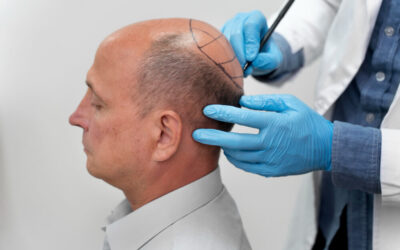
Step 1: Hairline Mapping
This is where the “natural look” is decided. A well-designed hairline is not sharply straight. It is shaped according to facial structure, age, and expected future hair loss.
Step 2: Donor Area Extraction
The donor region is cleaned, trimmed, and numbed. Follicles are collected carefully. Most patients feel pressure, but not pain.
Step 3: Graft Handling
Extracted follicles are stored in a controlled environment to keep them healthy until implantation.
Step 4: Recipient Area Planning
Tiny micro openings are created where the follicles will be placed. The angle and direction are extremely important—because this decides how natural your hair will appear.
Step 5: Implantation
Follicles are inserted one by one. This step requires patience and accuracy because it determines hair density and final look.
Procedure duration: usually 4–8 hours, depending on graft count.
Healing and Aftercare: What Happens in the First 10 Days?
Healing is usually smooth, but your care decides how well grafts settle.
Days 1–3
- Mild soreness or tight feeling
- Forehead puffiness can happen in some people
- Tiny crusts begin forming
- Medicines are prescribed to prevent infection and swelling
Days 4–7
- Crusting becomes more noticeable
- Scalp may itch during healing
- Donor area feels better each day
Days 8–10
- Crusts start coming off naturally with gentle washing
- Most people return to normal daily routine
One strict rule: don’t scratch, peel, or rub the graft area.
Why Transplanted Hair Falls Initially (And Why It’s Normal)
This is the stage that scares most patients.
Within a few weeks, many people see transplanted hair strands falling out and assume something went wrong. But this is expected.
The hair strand falls because the follicle enters a resting phase. The root stays inside the scalp and later begins producing new hair growth. This temporary shedding is part of the normal adjustment cycle.
So yes—early shedding is common, and it does not automatically mean the transplant failed.
When Do You Start Seeing Visible Results?
Hair grows slowly, and transplanted follicles follow natural growth cycles. Most patients notice:
- Early small growth beginning gradually after a few months
- Better thickness improving over time
- Full natural look usually taking close to a year
This is why hair transplant should never be judged in the first few weeks. It is a slow-build transformation.
Is Hair Transplant a Permanent Solution?
The transplanted follicles generally last long because donor hair is naturally resistant to common baldness patterns.
However, it is important to know:
Transplant does not protect the rest of your natural hair from future thinning. That’s why doctors often suggest maintenance support such as:
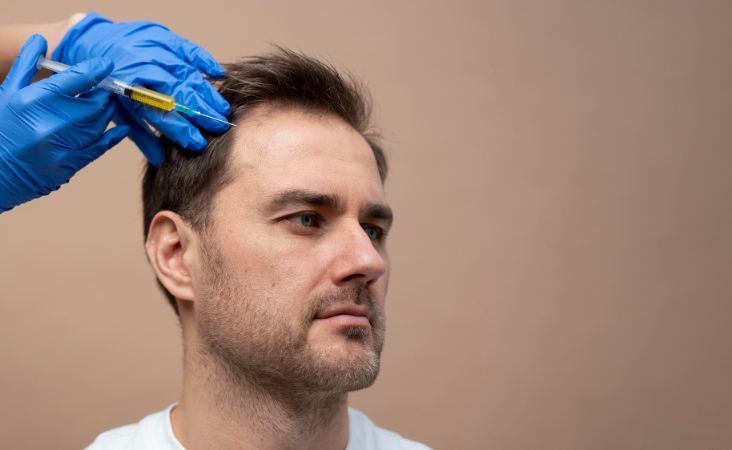
- PRP sessions
- hair strengthening medications (if needed)
- scalp care + lifestyle correction
A transplant is best seen as one part of long-term hair management.
Conclusion
A hair transplant is a practical and effective option for people experiencing noticeable hair thinning, hairline recession, or crown baldness—especially when donor hair quality is strong. The procedure involves moving healthy follicles to weak areas and requires patience because final results develop gradually over months. Early shedding is a normal stage and should not create panic. With correct technique, proper recovery care, and maintenance support, a hair transplant can deliver natural, confidence-restoring results.
Doctor Name: Dr. Amit V. Ambade
Clinic Name: SkinMD Pune
Address: 8, Ground Floor, C-WING, Infinity Cube, 44/1/2, Malwadi, Punawale, Pimpri-Chinchwad, Pune – 411033